

Introduction
It is a common frustration for homeowners. You have maintained your property for a decade, yet your brand new Energy Performance Certificate (EPC) shows a lower score than the previous one. This rarely means your home has become less efficient. Instead, it reflects a significant change in how we measure energy performance in the UK.
TL;DR? Listen to the article.
The Impact of the RdSAP 10 Framework
Most EPCs currently reaching their ten year expiry were calculated using version 9.94. As of 2025, the industry has transitioned to RdSAP 10. This is not just a minor update but a complete overhaul of the calculation engine.
The End of Estimated Window Areas
In previous years, software estimated window sizes based on the age of the property. RdSAP 10 requires every window to be measured individually for height and width. If your home has large windows or a conservatory, the new software now calculates the actual heat loss rather than relying on a generous average.

Stricter Evidence and Photographic Requirements
Every measure, from loft insulation to floor insulation, must be backed by photographic evidence or a physical certificate. If it cannot be seen or proven, the software defaults to a worst case scenario for that property age.
Decarbonisation and the Primary Energy Metric
While the UK electricity grid is becoming greener, the math behind the EPC has become more complex. The introduction of the Primary Energy metric means we now measure the energy used to produce and transport the fuel to your home, not just the energy you burn.
The Cost versus Carbon Conflict
EPCs are primarily a cost-based rating. Even if your heating system is lower in carbon, if the fuel is more expensive per unit (like peak rate electricity versus gas), your EPC score may drop to reflect the higher running costs.
Common Upgrades That Can Accidentally Lower Your Score
Some modern changes are great for comfort but detrimental to an EPC rating because of how the Standard Assessment Procedure (SAP) logic works.
Replacing Storage Heaters with Panel Heaters
Modern electric panel heaters are often preferred for their slim design. However, because they do not use cheaper off-peak electricity like traditional storage heaters, the EPC software views them as significantly more expensive to run, often resulting in a lower grade.
New Boilers and Efficiency Standards
Replacing an old, non-functional boiler with a new one is a positive step. However, if the previous assessment used outdated efficiency assumptions and the new assessment applies stricter modern penalties for flue types or controls, the improvement on paper may be minimal.
Open Fires and Room Heaters
In a push for "homely" features, some owners reinstate open fireplaces or install wood-burning stoves. While these are popular for aesthetics, the EPC software views an open fire as a major source of heat loss because the chimney acts as a giant extraction tube, pulling warm air out of the room. Even a closed wood-burner is often rated as less efficient than a modern gas central heating system, so adding one as a secondary heat source can sometimes drag the overall rating down.
Conservatories and Internal Doors
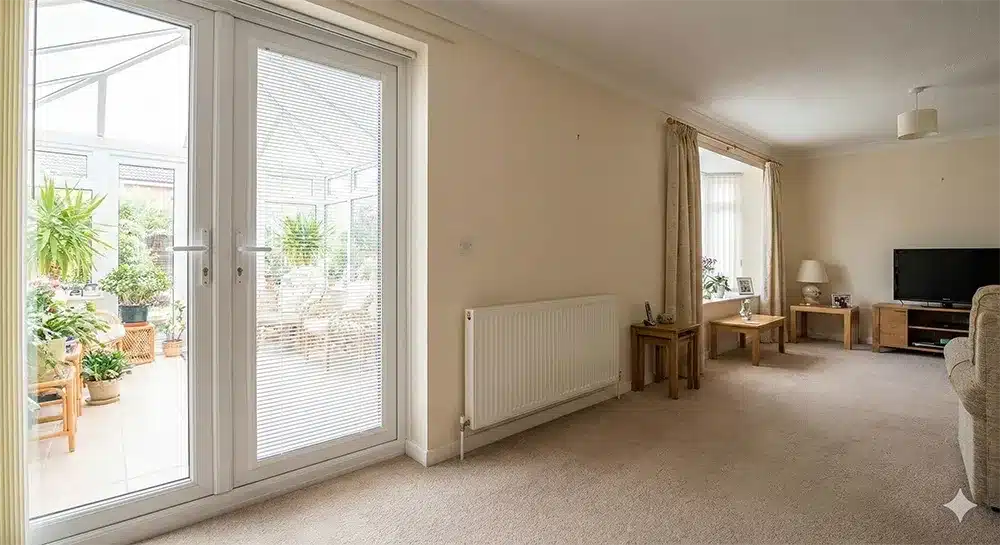
Removing the internal doors between a house and a conservatory to create an "open plan" feel is a common renovation. However, for EPC purposes, a conservatory is generally considered an unheated, thermally inefficient space. By removing the doors, the conservatory is now treated as part of the "heated envelope" of the main house. This dramatically increases the calculated heat loss area, often resulting in a significant drop in the final energy grade.
How to Prepare for Your Assessment
The best way to protect your rating is to provide a clear paper trail for the surveyor. Use the following checklist to ensure the most accurate data is entered into the system.
Homeowner Evidence Checklist
- Insulation certificates and invoices (Loft, Cavity, or Solid Wall)
- FENSA or CERTASS certificates for windows and doors
- Boiler or Heat Pump model names and installation manuals
- MCS certificates for solar panels or battery storage
- Building Regulations Completion Certificates for extensions
By preparing this evidence, you give the assessor the tools needed to override pessimistic software defaults and ensure your property is represented fairly under the new rules.
Be careful, you may not need an EPC if your property meets certain conditions.
Find Your EPC
And view its details


0 Comments