

If you’ve ever looked at your energy bill and thought, "There has to be a better way," you’re not alone. As utility prices continue to rise and the conversation around climate change intensifies, more homeowners are turning to solar power as a way to save money and reduce their environmental footprint. In fact, according to the International Energy Agency, solar power was the fastest-growing source of electricity in 2023, accounting for more than two-thirds of global renewable capacity additions. But if you’re just beginning to explore the idea, you likely have a lot of questions. Are solar panels worth it? How do they even work? Will they still function when it’s cloudy—or in the middle of winter? Let’s break it all down.
What Are Solar Panels?
At their core, solar panels are devices that convert sunlight into electricity. Inside each panel are many smaller units called photovoltaic (PV) cells. These cells capture energy from sunlight and transform it into usable electricity for your home. It may sound futuristic, but it’s not. In fact, solar panels have been around since the 1950s.
What’s changed over the decades is their performance. Today’s panels are more efficient. They’re more affordable. And they’re easier to get than ever before.
How Can Solar PV Help Me?
So, how can they help you? For starters, solar panels can dramatically lower your electricity bills. In some cases, if your system generates more power than you use, you might even earn money by feeding excess energy back into the grid. That’s a nice bonus.
Your EPC rating will increase, by how much really depends on the property but modelling services will indicate the achieved score prior to a solar installation.
There’s also the environmental benefit. Solar energy is clean and renewable. It doesn’t produce any harmful emissions. By switching to solar, you’re shrinking your carbon footprint and doing your part for the planet.
Another plus is property value. Studies show homes with solar panels tend to sell faster and fetch higher prices. While the upfront cost can be intimidating, it often pays off in multiple ways over time.
How Do Solar Panels Work?
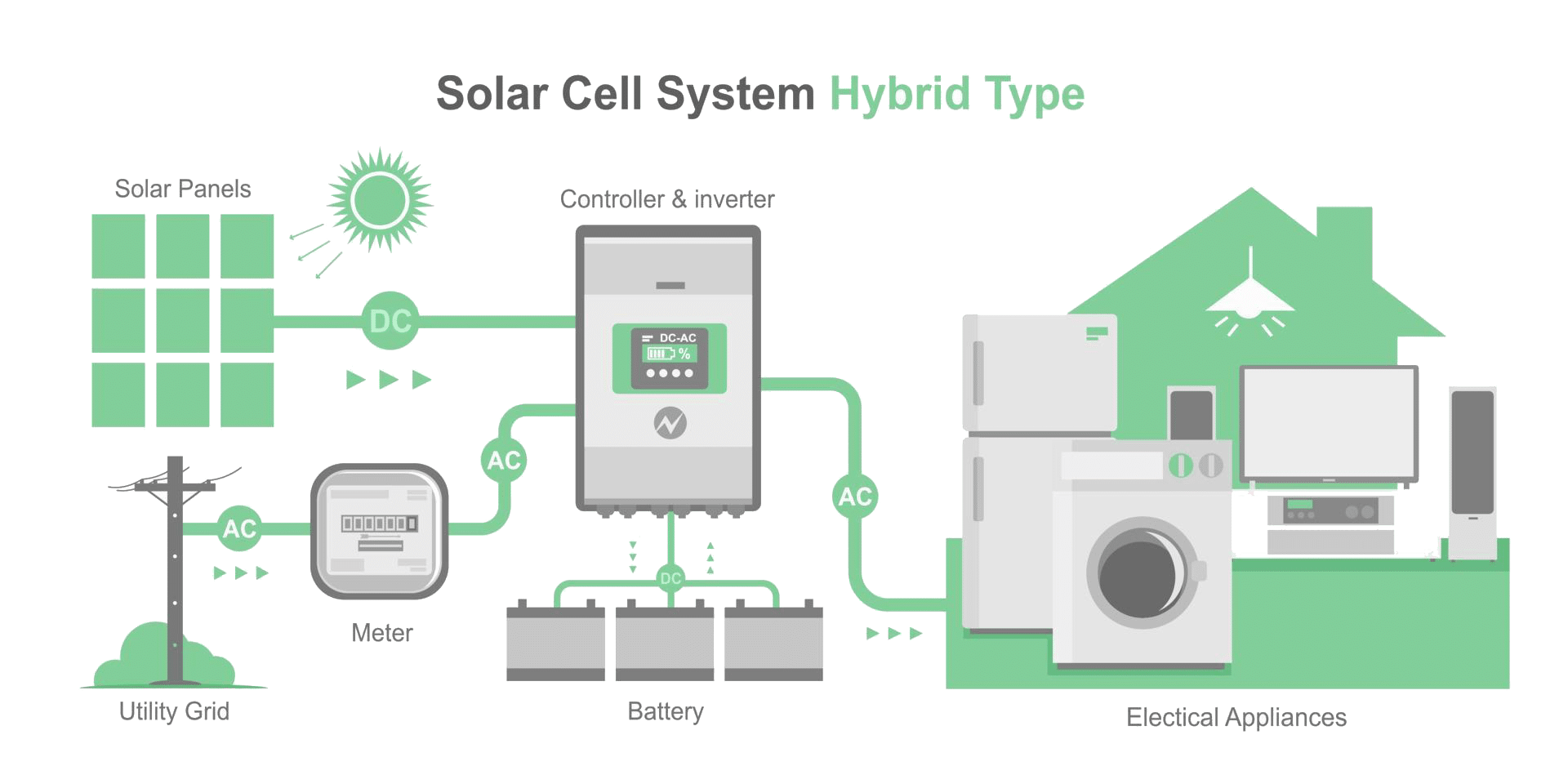
The science is simpler than you might think. When sunlight hits a solar panel, the PV cells absorb it and create an electric field across layers of silicon. This generates direct current (DC) electricity. Your home, however, uses alternating current (AC). That’s where an inverter steps in. It converts DC into AC so it can power your appliances and devices.
Clouds or cold weather? No problem. Modern solar panels still generate power on overcast days. They actually perform better in cooler temperatures. And snow isn’t a big issue either—it often slides off the panels or melts quickly due to sunlight absorption.
Today’s most efficient panels are made with monocrystalline silicon. These can convert more sunlight into electricity than older or budget models. If you’ve got limited roof space, this efficiency can really pay off.
You can even store excess energy. Battery systems let you save unused electricity for later—like during a power outage. Want to take it further? Pair your panels with a heat pump to build an even more energy-smart home.
Where Can I Get Solar Panels?
Getting solar panels is easier than ever. You can buy them outright, lease them, or finance the installation. Many companies offer free consultations and will evaluate your home to see if it’s a good fit. They’ll assess your roof angle, shade coverage, and local weather patterns.
Picking the right installer matters. Look for one with certifications, strong reviews, and a solid track record. A reliable installer helps guide you through the entire process. That includes tapping into rebates or government incentives that reduce your overall cost.
For example, in the UK, the Smart Export Guarantee lets you earn money by exporting extra electricity back to the grid. That’s a smart way to increase your return.
Once installed, solar panels are easy to maintain. Most only need occasional cleaning to remove dirt and debris. Many systems come with warranties that last 20 to 25 years. Routine inspections help ensure everything runs smoothly, but overall, they’re a low-maintenance solution.
Why Should I Get Solar Panels?
Let’s talk about cost. Are solar panels expensive? At first glance, yes—they’re not cheap. But when you factor in long-term energy savings, available incentives, and increased home value, the numbers start to make sense. Many homeowners break even within 7 to 10 years.
Then there’s the environmental question. Some ask: Are solar panels bad for the environment? The short answer is no. While manufacturing does have some impact, panels typically offset their carbon footprint within a few years of use. And yes, they’re recyclable. As recycling technology improves, more components—like silicon, glass, and metal—can be reused.
Concerned about roof damage? It’s a common worry. Fortunately, when panels are installed correctly, they shouldn’t harm your roof. In fact, they often shield it from the elements, reducing wear and tear over time.
Solar panels also work well with other green technologies. Got a heat pump? Solar can help power it. Worried about power cuts? A battery backup keeps your home running even when the grid goes down. That’s energy independence.
Final Thoughts: Why Solar Panels Are Worth the Investment
Solar panels aren’t just a trend. They’re a smart, forward-thinking investment. They save money. They increase your home’s value. They help the planet.
And they work—across seasons, climates, and lifestyles.
Whether your motivation is financial, environmental, or both, solar panels offer a practical way to future-proof your home. Do your research. Talk to the pros. Tap into the available incentives. With the right setup, you’ll gain energy independence and peace of mind.
The sun’s not going anywhere. Why not start using it to power your home?


0 Comments